Play store

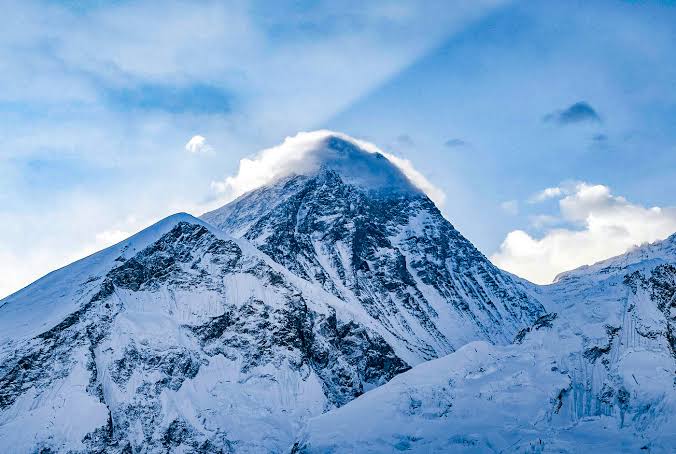
Nepal, home to Mount Everest and some of the world’s most sought-after climbing destinations, is preparing for sweeping reforms to its tourism sector as lawmakers propose tougher mountaineering rules, stricter casino regulations and new digital tourism policies under the country’s long-awaited Tourism Bill 2081.
The bill, currently before Parliament, has attracted 263 amendment notices from 58 members of the House of Representatives, signalling extensive revisions before it can become law. Speaker Dol Prasad Aryal has accepted all the proposed amendments for discussion under Rule 113 of the House of Representatives Rules 2083.
One of the most significant proposals seeks to tighten eligibility for climbing permits for Mount Everest. Several lawmakers have recommended that climbers must first successfully summit at least one mountain above 7,000 metres in Nepal before being allowed to attempt Everest. Others have proposed an even stricter requirement of climbing a peak above 8,000 metres, while another proposal would require climbers to have summited two mountains above 6,000 metres and one above 7,000 metres before receiving a permit for an 8,000-metre peak.
Lawmakers have also proposed auctioning permits for Everest and other major peaks above a minimum reserve price, with the number of permits capped according to seasonal carrying-capacity assessments. Another amendment seeks centrally allocated campsite plots at Everest Base Camp and higher camps by the Department of Tourism instead of allowing expedition operators to choose their own locations.
Several amendments aim to strengthen Nepal’s control over the mountaineering business by requiring all expedition packages to be sold exclusively through Nepal-registered trekking agencies. Under the proposals, all payments would have to be processed through Nepali banks, with foreign exchange settlements handled through Nepal Rastra Bank.
The bill also proposes establishing integrated check posts at the base camps of all open mountains, led by Nepal Army officers and supported by representatives from the Department of Tourism, the environment ministry and local governments. These teams would have the authority to cancel climbing permits on the spot for safety or regulatory violations.
To improve the welfare of high-altitude workers, lawmakers have proposed limiting porter loads to 20 kilograms above base camp and 15 kilograms above 3,500 metres, while making comprehensive insurance and rescue coverage mandatory.
Beyond mountaineering, the bill proposes major reforms to Nepal’s casino industry, including the creation of an independent Casino Regulatory Unit, stricter ownership disclosure requirements, enhanced anti-money laundering measures and revised foreign investment rules.
The legislation also seeks to modernise Nepal’s tourism industry by introducing digital nomad visas for remote workers and recognising emerging tourism sectors such as glamping, hot-air ballooning, wellness tourism, indigenous tourism, tea tourism, astro-tourism and workation tourism.
Another key proposal calls for establishing an autonomous Nepal Tourism Authority, replacing the existing Department of Tourism with separate wings responsible for tourism promotion and regulation.
Additional amendments include mandatory bilingual websites for licensed tourism businesses, universal accessibility standards, food safety regulations for hotels and restaurants, carrying-capacity assessments for tourism destinations and new mechanisms for resolving tourist complaints.
The bill has now entered the House committee stage, where lawmakers will debate and consolidate the proposed amendments before sending the legislation back to Parliament for final approval.