Play store

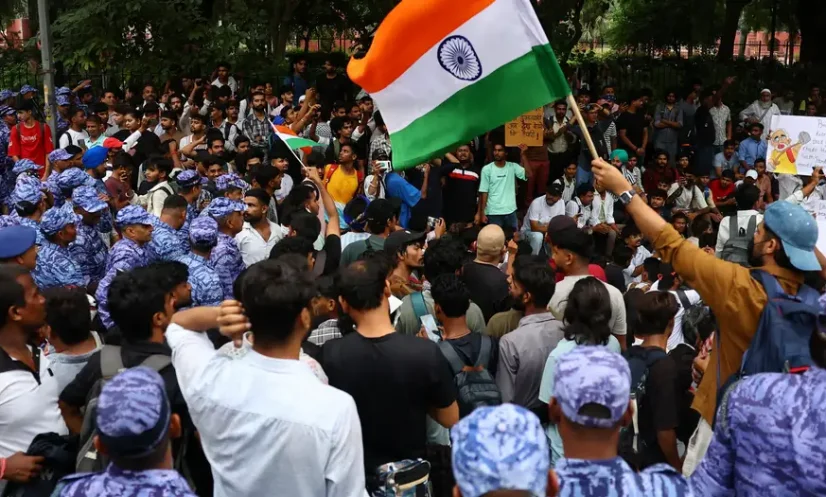
Tensions in India’s capital reached a violent breaking point on Monday, July 20, 2026, as police clashed with over 10,000 youth-led protesters marching toward Parliament on the opening day of the monsoon session.
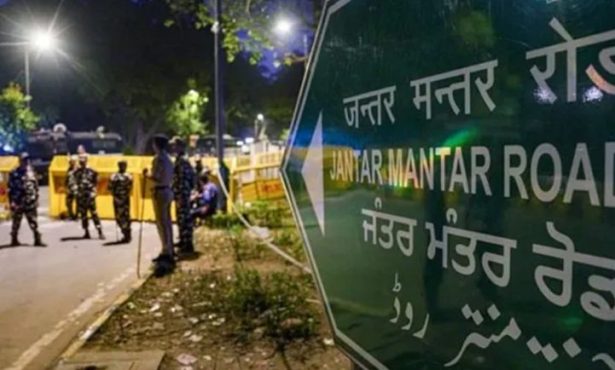
Supporters of the satirical Cockroach Janta Party (CJP) were met with heavy baton charges (caning) and tear gas near the Jantar Mantar demonstration site as they attempted to break through security cordons.
The mass uprising has quickly scaled into the most significant public challenge to Prime Minister Narendra Modi’s government since the start of his third term.
The Delhi Police strictly denied official permission for the march, enforcing tight prohibitory orders that ban public assemblies around the Parliament complex.
• Violence at Jantar Mantar: Riot police launched an aggressive crackdown to contain the sprawling crowds. Medical volunteers at the scene reported treating numerous demonstrators for severe head trauma and broken bones directly resulting from the police baton charges.
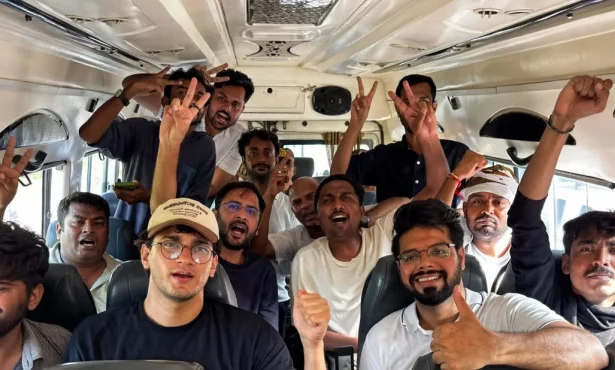
• Detention of Leadership: CJP chief spokesperson Saurav Das alleged that movement founder Abhijeet Dipke was forcefully “picked up” and detained by police personnel on Monday afternoon while trying to navigate the march.
• Guerrilla Formations: While police barricades successfully halted the central mass of the rally, smaller splinter groups of Gen-Z protesters successfully bypassed the main cordons by peeling off into narrow side streets to get closer to the Parliament building.
The movement, which initially amassed over 22 million followers on Instagram after a Supreme Court judge controversially compared unemployed youth to “cockroaches”, has dramatically shifted from digital satire to street combat. Public fury multiplied over two weekend developments:
• The “Kidnapping” of Sonam Wangchuk: On Saturday, police units scaled the Jantar Mantar stage, using white bedsheets to block the view of onlookers, and forcefully transferred 59-year-old climate activist and educator Sonam Wangchuk to a hospital on the 21st day of his indefinite hunger strike. Wangchuk described the extraction from hospital as a “kidnapping”, while police cited crucial medical intervention.
• The Suicide Crisis: Public anger remains raw over systemic corruption and paper leaks tied to nationwide medical entrance exams (NEET-UG), which forced 2.2 million students to retake highly competitive tests. Distraught over the recurring failures, more than a dozen student suicides have been reported by families, driving demands for structural accountability.
The youth movement is actively demanding the immediate resignation of Union Education Minister Dharmendra Pradhan and is seeking financial compensation for the families of the deceased students. Following the hospital action against Wangchuk, the CJP expanded its demands to call for the resignation of Prime Minister Modi himself.
From his hospital bed, Wangchuk issued a handwritten note outlining strict terms to end his fast. He stated he would cease his hunger strike only if the government formally accepts accountability for the educational failures, or if cross-party lawmakers visit him to guarantee that the student grievances will be officially debated on the floor of the Parliament chambers.
In a notable shift from its previous silence, a senior faction of the government reached out for emergency talks on Monday morning. CJP representatives briefly met with federal Health Minister JP Nadda to submit their non-negotiable demands, marking the first high-level ministerial engagement with the movement since its inception.