Play store


The United States and Japan signalled readiness to take further joint action to stabilise the yen after the currency plunged to a four-decade low, prompting their first coordinated intervention in nearly three decades.
The yen has come under sustained pressure due to a wide interest rate gap between Japan and the United States, rising oil prices and concerns over Prime Minister Sanae Takaichi’s fiscal policies, which could add to Japan’s already heavy debt burden.
Although the scale of Friday’s intervention was not disclosed, it marked the first coordinated move to support the yen since 1998. The last joint action involving multiple G7 nations occurred in 2011, when countries sold yen to curb its sharp rise following Japan’s devastating earthquake.
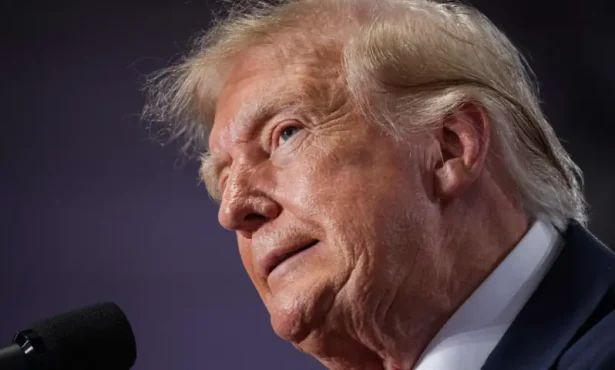
US President Donald Trump confirmed the coordinated effort, describing it as a “signal of friendship” with Japan and beneficial for the global economy. US Treasury Secretary Scott Bessent also emphasised Washington’s support, stating that the United States “strongly backs Japan’s decisive steps” to address what it sees as a significantly undervalued currency.
Japan’s Finance Minister Satsuki Katayama said the joint move helped counter excessive volatility and disorderly movements in the yen. She noted that both countries independently assessed the need for intervention before acting together.
The yen had weakened to 163.99 per dollar last month—its lowest level since 1986—before rebounding sharply following the intervention. It strengthened to around 157.40 on Friday and briefly climbed further on Monday, sparking speculation of additional market action.
Despite recent gains, analysts say underlying economic factors continue to weigh on the currency. Japan’s relatively low interest rates—currently around 1.0 percent compared to the US Federal Reserve’s 3.5–3.75 percent—have encouraged investors to borrow yen cheaply and invest in higher-yielding assets abroad, a strategy known as the “carry trade.”
While a weaker yen benefits major exporters such as automakers and electronics firms, it raises import costs for energy-dependent Japan, particularly as global supply pressures persist.
Economists note that coordinated interventions often occur at key turning points in currency markets, but warn that lasting stability will depend on broader economic shifts, including monetary policy adjustments in both countries.