Play store

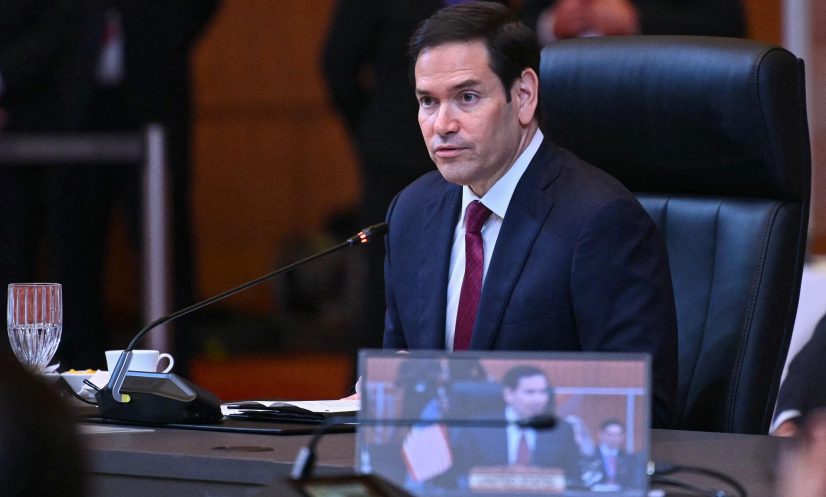
Marco Rubio has said the United States remains open to negotiations with Iran, but warned there “will be consequences” if Tehran continues to violate its commitments.
Speaking at the ASEAN Summit in the Philippines, Rubio questioned Iran’s sincerity in ongoing diplomatic efforts. His remarks came just hours after U.S. forces carried out their 11th consecutive night of strikes targeting Iranian military positions.
“The problem we’re having right now is they’re not serious about talks. If they’re serious, we’re serious,” Rubio said. “If they’re not, then we will do what is necessary to protect our interests and also the interests of our allies.”
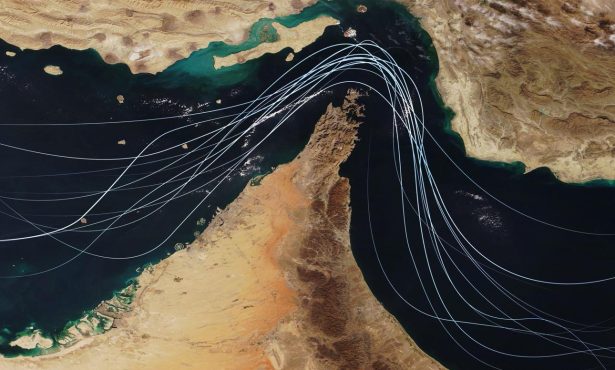
A key point of contention is the Strait of Hormuz—one of the world’s most critical shipping routes.
Rubio rejected Iran’s claim that it should control traffic through the strait, arguing that no country has the legal right to dominate an international waterway .
He warned that allowing such control would set a dangerous global precedent:
“If a nation-state can decide it will control an international waterway and threaten ships, it risks repeating elsewhere in the world.”
Rubio emphasied that the broader issue is the protection of the fundamental principle of freedom of navigation, a cornerstone of international law and global trade.
While Washington says it remains committed to diplomacy, the continuation of military operations signals a dual-track strategy—keeping pressure on Tehran while leaving the door open for talks.
The situation underscores rising tensions in the Middle East, where strategic waterways and security commitments continue to shape global geopolitics.