Play store

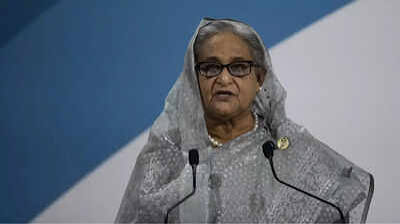
India’s handling of the request for Sheikh Hasina’s extradition is becoming a test not merely of its relations with Bangladesh, but of whether New Delhi can keep law and diplomacy from becoming indistinguishable. Bangladesh has a legitimate interest in seeking the return of a former prime minister convicted of grave offences. India, equally, cannot treat an extradition request as a routine diplomatic transaction. Hasina was convicted and sentenced to death in absentia by Bangladesh’s International Crimes Tribunal.
That fact makes the case considerably more complicated than a straightforward request to surrender a fugitive. The 2013 India-Bangladesh extradition treaty creates obligations between the two countries, but it does not eliminate the discretion and safeguards available to the requested state. The central question is therefore not whether India is friendly towards Hasina or whether Bangladesh is entitled to seek her return. It is whether the circumstances of the prosecution satisfy the standards India should require before surrendering a person to face punishment.
The political-offence exception deserves particular scrutiny. Crimes such as murder and genocide cannot be insulated from extradition by attaching a political label to them. At the same time, the characterisation of an offence by the requesting government cannot by itself settle the matter. India must examine the substance of the allegations and the judicial process through which the conviction was obtained. The in-absentia death sentence makes that examination unavoidable.
A government cannot credibly argue that a conviction obtained without the accused being present is automatically sufficient justification for surrender. If Hasina is eventually sent back, Bangladesh would need to demonstrate that she can meaningfully challenge the case against her, have legal representation and receive a trial consistent with basic standards of justice. The death penalty presents an additional difficulty. India retains capital punishment, but its extradition practice has also recognised the importance of assurances where a person faces execution abroad.
New Delhi would therefore have to consider carefully what guarantees Bangladesh is prepared to provide about the sentence and the judicial process. There is also a larger diplomatic consideration. India cannot afford to appear to be shielding a former Bangladeshi leader indefinitely. Nor can it afford to become an instrument in what could be perceived as political retribution by a successor government. Either course could damage its long-term interests in Bangladesh. The sensible approach is consequently neither immediate extradition nor indefinite sanctuary.
India should insist on a transparent legal examination of the request and seek explicit assurances on due process, retrial rights and the death sentence. If those safeguards cannot be secured, refusal would have a stronger legal and moral foundation. The Hasina case will inevitably carry diplomatic consequences. But precisely because it does, India should make the law ~ not the temperature of bilateral politics ~ the centre of its decision. That would protect not only Hasina’s rights, but India’s own credibility as a country governed by rules rather than expediency. Source: an editorial by The Statesman.