Play store

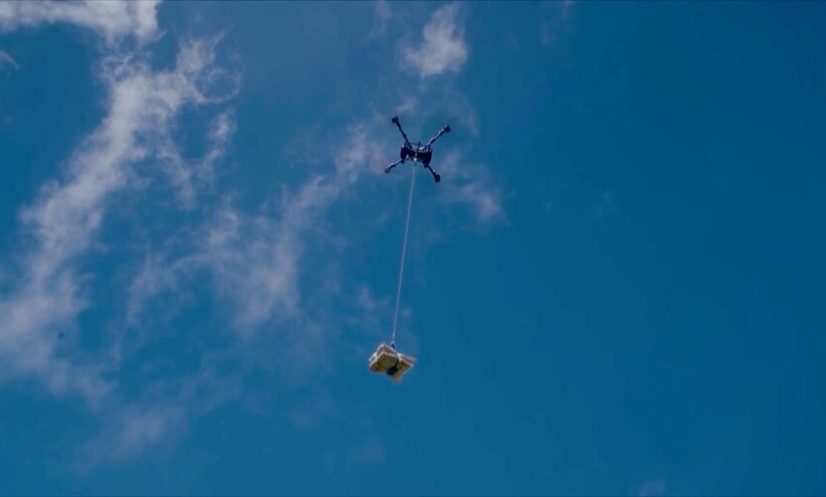
Humanitarian cargo drones are being used for the first time in a humanitarian emergency to deliver food aid to remote communities in northern Nepal following devastating floods and mudslides triggered by a glacier collapse.
The drones, operated by the United Nations World Food Programme (WFP), carry up to 100 kilograms of relief supplies per mission and are helping reach settlements cut off after roads and bridges were destroyed.
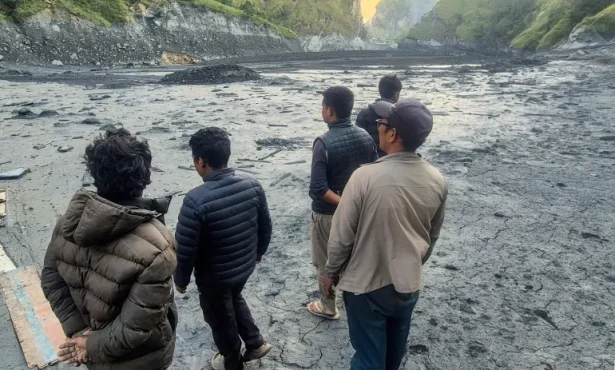
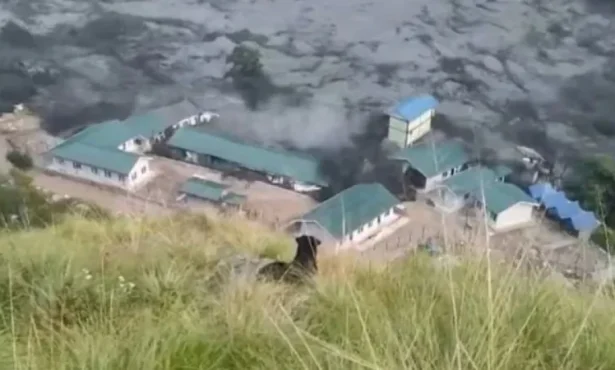
The disaster in late August left more than 1,400 people dead and thousands missing, while destroying roads, bridges, power plants and entire villages.
“No community is too remote to reach. When access disappears, solutions emerge,” said Riaz Lodhi, WFP country director in Nepal.
The drones are being used particularly in Rasuwa district, where damaged infrastructure has made road access impossible in several areas. They transport emergency food rations, including lentils, rice, cooking oil and salt, and can drop the supplies directly into fields and courtyards.
“This is logistics solving a humanitarian problem,” Lodhi said.
WFP said the drone operation is part of a wider Government-led response aimed at providing food and nutritional assistance to up to 43,000 vulnerable survivors by road and air.
The agency has already completed an initial round of assistance using trucks and helicopters, alongside the drones, reaching more than 15,500 flood-affected people with 127 tonnes of food.
Recent monitoring showed that 92 percent of surveyed households reported acceptable food consumption. However, nearly all of the households were still relying on humanitarian assistance for staple foods.
Geoffrey Mwangi, WFP’s chief of aviation, said the drones were particularly useful for covering the “final stretch” after trucks or helicopters could no longer travel.
“We can take assistance from the point where a helicopter or a truck has to stop and carry it further across that final stretch,” he said.
The technology also allows WFP to monitor and verify aid deliveries while reducing the need for survivors to undertake difficult journeys to collection points.
The current operation builds on WFP’s earlier use of cargo drones in Madagascar, where the agency delivered nutritional supplies to remote communities. Nepal, however, presents a different challenge because of its high-altitude terrain and difficult weather conditions.
WFP began developing humanitarian cargo-drone operations in 2017. In 2018, Lodhi, then leading WFP supply-chain operations in Tanzania, challenged drone manufacturers to develop systems capable of responding to sudden emergencies.
He recalled that the idea was then only “a concept, a dream”.
In Nepal, the technology is now turning that concept into an operational tool, reducing delivery journeys that once took days to just minutes.
“In 2015, the last-mile delivery was done by mules and yaks and porters carrying a bag of food on their backs,” Lodhi said, recalling WFP’s response to Nepal’s devastating earthquake that year.
“They were walking for days to deliver food — which means people were waiting.”
Today, he said, “the journey of days has been converted to minutes.”