


 Play store

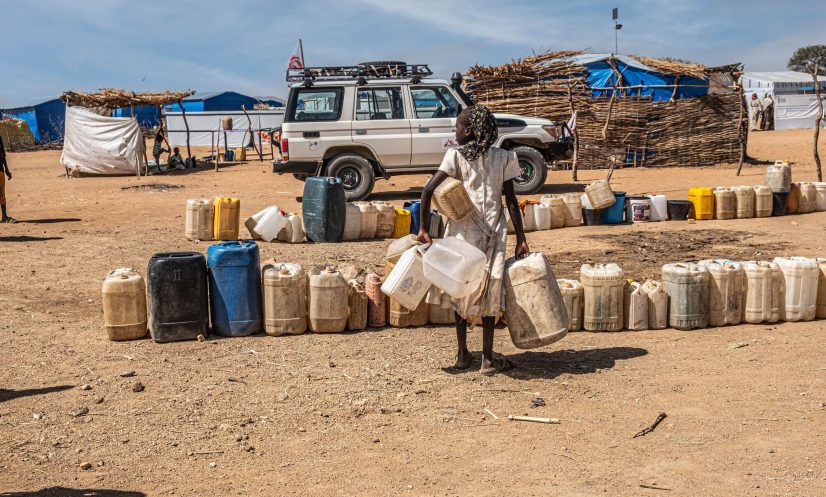
In eastern Chad, a severe shortage of water is worsening living conditions and sparking deadly conflicts in one of the country’s most vulnerable regions.
In the dusty city of Abéché, the country’s second largest, women carrying jerrycans along sun-scorched roads remain a daily sight, reflecting the harsh reality of limited water access. Despite some urban infrastructure, taps frequently run dry, often delivering water only late at night.
Rapid population growth—now estimated at over 500,000—alongside unplanned urban expansion has intensified the crisis. While some neighborhoods benefit from partial water distribution systems, many residents still rely on purchasing water or traveling long distances to collect it.
According to the United Nations, fewer than 10 percent of households in Chad had access to safe, continuous water supply as of 2024, underscoring the scale of the challenge.
To address the shortage, the government launched the Biteha water project in 2019, drilling boreholes and supplying water to Abéché through newly built towers. Officials say the initiative has improved supply in parts of the city and reduced the impact of seasonal heatwaves.
“We aim to produce 25,000 cubic metres of water by the end of the year, which should eliminate shortages in Abéché,” said project manager Bakhit Diki Barkai.
While some communities have seen relief, large areas—particularly rural and peripheral zones—remain underserved. Many residents continue to fetch water manually, often from distant and unreliable sources.
Authorities acknowledge that current efforts fall short. Officials stress the need for greater investment in water infrastructure, including dams and storage systems, to meet the demands of households, agriculture, and livestock.
The scarcity of water is also deepening poverty and fueling violence. Disputes over access to wells and grazing land have led to repeated clashes between farmers and nomadic herders.
In April, at least 42 people were killed in Wadi Fira province in violence linked to a water dispute. A similar conflict six months earlier left 33 dead in central Chad.
President Mahamat Idriss Deby Itno has warned that dwindling water resources are driving instability. “When water becomes scarce, poverty rises, livelihoods suffer, and conflicts multiply,” he said at a recent forum in N’Djamena.
Landlocked and highly exposed to climate change, Chad remains one of Africa’s most vulnerable countries. Aid groups continue to urge urgent investment in water systems, particularly in rural areas, to prevent further humanitarian and security crises.