Play store

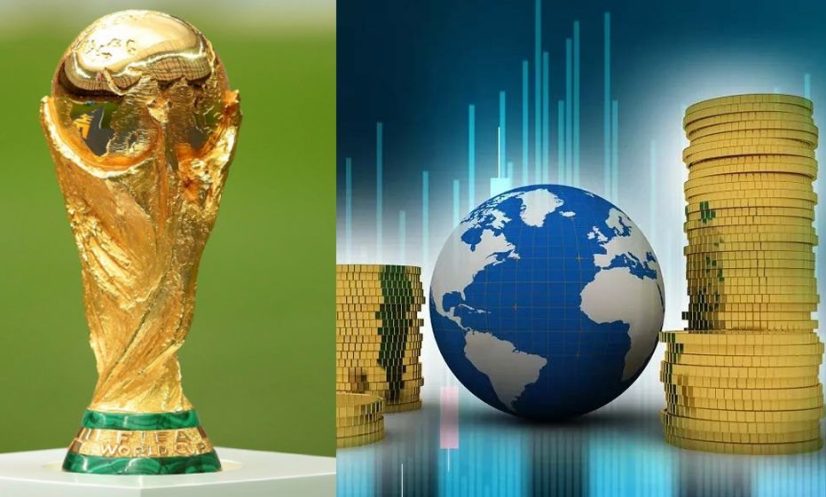
The FIFA World Cup is not only a source of excitement and passion for football fans—it also has a measurable impact on the global economy.
During the 2026 tournament, hundreds of millions of people around the world were absorbed in watching stars like Lionel Messi, Neymar, Kylian Mbappé and Lamine Yamal, leading to a noticeable dip in workplace productivity.
A report by workforce management software company UKG found that employee absenteeism, late arrivals, and reduced focus during matches resulted in a global productivity loss of nearly $17 billion (around 1,700 crore dollars).
The United States, one of the tournament’s host nations, was hit the hardest, accounting for nearly $11.7 billion in losses—equivalent to roughly Tk 1.4 trillion.
According to workplace platform Envoy, key World Cup matches significantly disrupted office attendance in the U.S. After the national team was knocked out by Belgium in the Round of 16 on July 6, office attendance dropped sharply the next day.
On Tuesday, July 7—dubbed “Knockout Tuesday”—office attendance fell by 26%, nearly ten times higher than the drop typically seen after the Super Bowl.
Business operations also slowed, with client meetings, job interviews, and other appointments declining by around 32% that day.
The trend was especially visible during U.S. match days, though attendance gradually returned to normal after the team’s elimination.
To minimize disruption and ease congestion in host cities, major firms like JPMorgan Chase, Goldman Sachs, and S&P Global allowed employees to work from home on match days.
Envoy also projected that post-final absenteeism would remain relatively low. Since the U.S. was not part of the final between Argentina and Spain, Monday attendance was expected to dip by no more than 1.87%, similar to post-Super Bowl trends.
According to an analysis by Bloomberg, productivity dips during major global events are not new. Similar patterns were observed during the Olympics and even during major entertainment releases like the films Barbie and Oppenheimer.
However, the scale of economic impact seen during the 2026 World Cup—particularly in the U.S.—stands out as one of the most significant in recent years.